
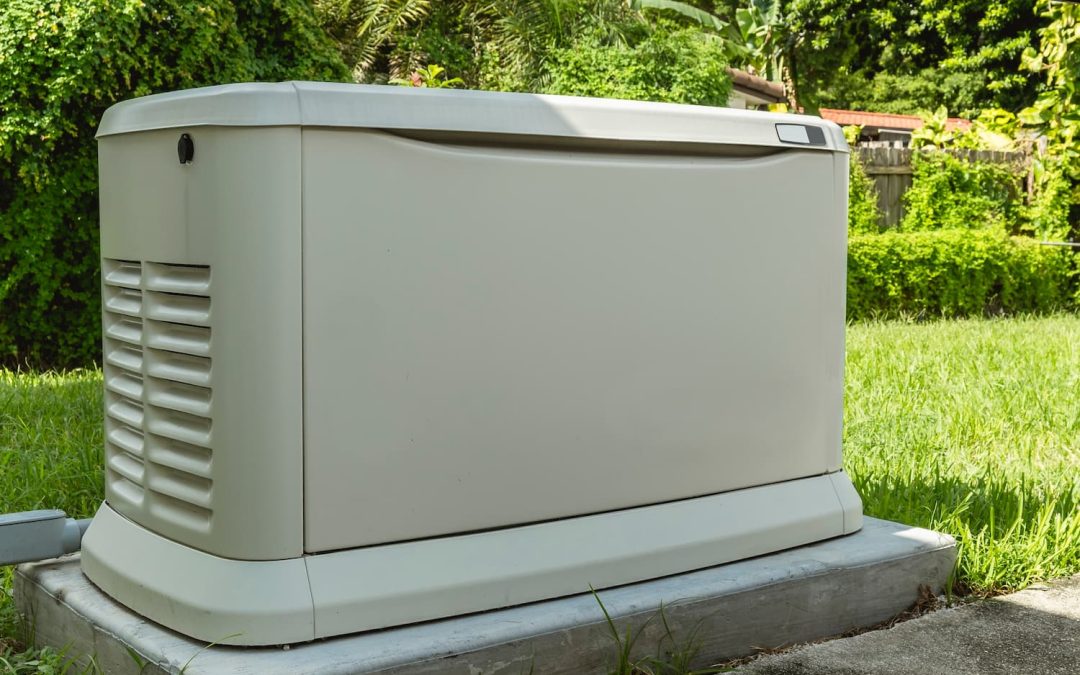
In the sunny state of Florida, where hurricanes and tropical storms can cause frequent power outages, having a reliable backup generator is essential for homeowners. When it comes to choosing between propane and gas generators, there are several factors to consider, from fuel availability to maintenance requirements. Gas Service Center is here to help you understand the differences so you can make an informed decision and choose the best option for your home.
Propane Generators
Propane generators operate by using liquefied petroleum gas stored in tanks, making them a versatile choice for homeowners who prioritize convenience and reliability during power outages and emergencies.
How Propane Generators Work
Propane generators convert propane fuel into electricity through an internal combustion engine. Propane is stored in tanks on the property, ensuring a continuous fuel supply, which is advantageous when gas stations may be inaccessible during emergencies. You often only need to connect a propane tank and press start. This independence from external fuel sources can be a significant advantage during disasters.
Natural Gas Generators
Another reliable option is a natural gas generator, which taps into the existing natural gas lines available in many urban areas. This option offers its own set of benefits and considerations.
How Natural Gas Generators Work
Natural gas generators are connected directly to your home’s natural gas lines. They burn natural gas to produce electricity during power outages. This setup eliminates the need for fuel storage and ensures a continuous fuel supply as long as the gas lines remain intact.
Gas Generator or Propane, Which Is Right?
Choosing between a gas or propane generator depends on personal preferences, and several factors should be taken into consideration:
- Fuel Availability: Propane tanks provide fuel independence, whereas natural gas relies on the local gas supply
- Storage Requirements: Propane requires storage space for tanks, while natural gas generators use existing infrastructure
- Maintenance: Both types require regular maintenance, but propane generators may need more attention due to the storage tanks
- Environmental Considerations: Natural gas is cleaner-burning compared to propane, potentially offering environmental benefits
- Costs: Natural gas generators might have higher installation costs, but propane generators may have higher fuel costs depending on availability and market prices
- Power Output: Natural gas generators often provide higher continuous power output compared to propane generators, making them suitable for larger homes or those with higher energy demands.
At Gas Service Center, we specialize in the installation and maintenance of both gas and propane generators across Florida. Our expert team can assess your home’s infrastructure and your family’s needs and recommend the best solution for reliable backup power. Whether you opt for the convenience of propane or the simplicity of natural gas, our services ensure that your backup generator operates seamlessly when you need it most.
Gas Installation in Florida
Remember, preparation is key. By choosing the right generator and ensuring it’s professionally installed and maintained, you can safeguard your home against unexpected power disruptions. Gas Service Center is ready to help you stay powered up when you need it most. We are committed to providing the expertise and support you need to make an informed decision and take a proactive approach to protecting your home and family during power failures. Whether you prefer the reliability of propane or the convenience of natural gas, you can trust us to deliver exceptional service and peace of mind.
Contact us today to learn more about our installation services and how we can help you prepare for any power outage in the Florida region. Don’t wait until the next storm—secure your peace of mind with a dependable backup generator solution tailored to your home.
Image Credit: ungvar / Shutterstock